
The short answer
Name the drum, the mix pass and the hits that need support. Describe what the sample should add and which soft hits, flams and room cues should stay audible. Ask for a version with the original kit and sample blend, then compare the same quiet and loud passages at a similar volume.
Keep these in mind
- Request a specific change to the drum sound at a named point in the song.
- Mark ghost notes, flams and nearby bleed that can confuse the trigger.
- Check a quiet passage and a heavy passage before approving the sample blend.
Which drum sound needs support?
Name the original mix and pick a hit you would like to hear more clearly. Describe the missing sound. A snare can need more body under dense guitars or a clearer attack when the chorus enters. A kick may need a shorter accent instead of more low sustain. Ask for an audible change you can recognize when the revised pass comes back.
Give the engineer one hit that already sounds right, too. If the first verse snare is exposed and has the sound you want, mention it as the control. Say whether you want the sample on a few accented hits, through a section or on the whole song. Give a reference for the quality you want and leave room to choose a sample that fits the recorded kit.
Which parts of the performance should the sample leave alone?
Mark a passage with soft strokes, a flam or a fast roll. Tell the engineer which strokes should trigger reinforcement and which should stay on the original microphones. A sample layer that comes in on every detectable hit can change the apparent accents. If you hear an extra hit, identify where it happens and whether it coincides with a kick, hi-hat or rapid snare pattern.
The Trigger 2 manual describes how detector sensitivity, level and retrigger controls affect which hits produce samples. The Retrig MP Trigger manual gives examples of false hits from bleed, missing fast hits and a thin sound when layers combine. Ask the engineer to audition the sample layer on its own for detection errors, then listen to it alongside the recorded kit. Use your drum editing brief for separate timing changes.
What can you copy into the sample reinforcement request?
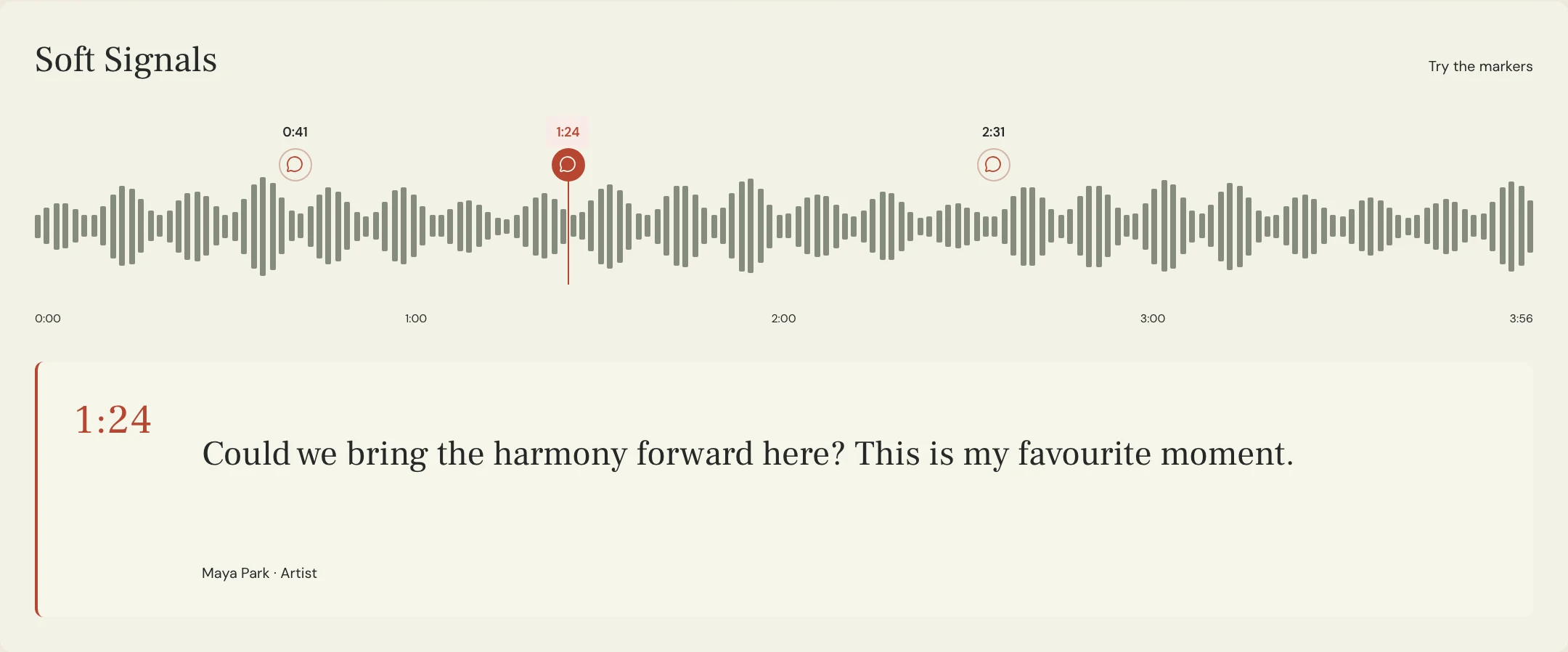
Constructed example for the fictional Soft Signals track Lantern. The snare feels clear in the exposed verse at 0:37. In the second chorus at 1:29, Maya hears the snare attack but wants more body beneath the guitars. A soft pickup before the chorus and a two-stroke flam at 1:35 are part of the drummer’s phrasing.
The request is to add body under the main chorus backbeats, keep the original snare audible and check the sample through the pickup and flam. The mixer returns a full pass with both the verse and chorus. Maya listens for the chorus change at a comparable level and checks that the verse, pickup and flam still sound like the original performance.
SONG / PASS | Lantern / Mix 07
DRUM AND TARGET | Snare backbeats from 1:29 in the second chorus
ADD | A little body beneath the guitars; keep the original attack
CONTROL | Snare at 0:37 in the exposed verse already sounds right
PROTECT | Quiet pickup into chorus and original flam at 1:35
DETECTION CHECK | Listen for false hits from the hi-hat and added flams
RETURN | Name the new full mix and describe where the sample plays
APPROVAL | Clearer chorus snare at similar level, with the pickup and flam intact
Copy or download, then fill in the details for your song.
How do you review the blend in a returned pass?
Listen through the first changed passage and the control passage. If the snare gets punchier but the room feels detached from it, ask the engineer to compare the original and sample together at a lower blend, then check alignment if it still sounds thin or doubled. Leave any processing choice open until the engineer can hear the mix alongside the original kit.
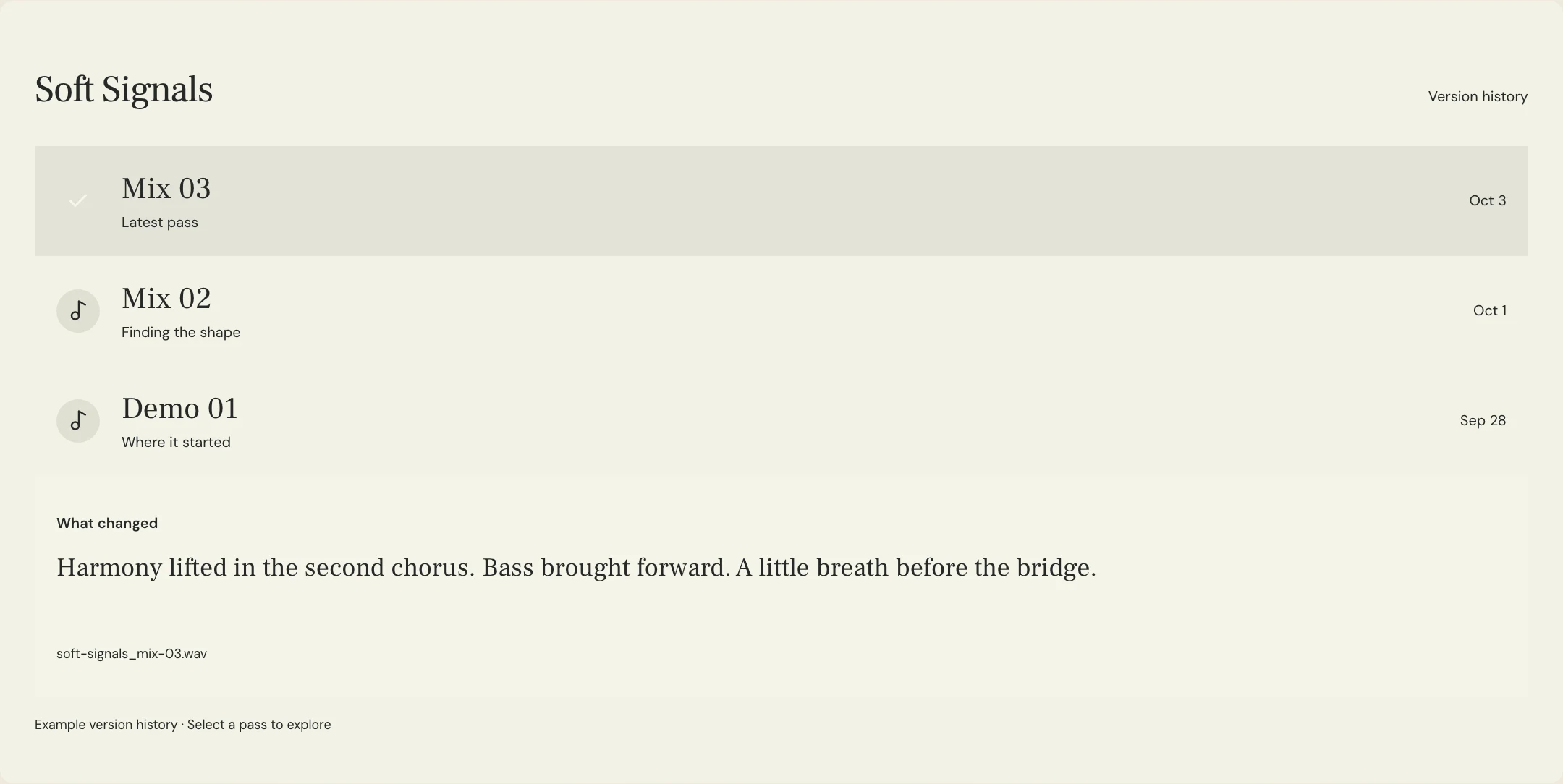
Upload clearly named originals and revisions in MixPass and attach the request to the affected moment. Switch between the passes using A/B comparison at a comparable listening level. Note the specific hit or phrase that meets the brief. If another issue remains, use a separate mix revision note for its time and requested outcome.
A few more things
Common questions
Can the sample support only the loudest hits?
Yes. Mark the accents that need help and identify the quiet strokes you want to hear from the kit. Check whether the layer changes the original rhythm.
Should I specify a blend percentage?
Give a sonic goal and a listening check. The right blend depends on the sample, the original microphones and what the mix needs.
What if I hear an extra snare near a hi-hat hit?
Mark the time and ask the engineer to listen to the sample track alone. Confirm whether bleed or a second detection caused the extra hit.
What if the reinforced hit sounds thinner?
Compare the sample and original separately and together. Ask the engineer to check their alignment, polarity and balance on more than one hit.
Further reading
Technical background from the original sources referenced in this guide.
Your next pass
Give the song a shared home.
Keep the versions, lyrics, feedback, and people together in MixPass.
Building an upcoming single or EP? Apply for the Founding Testers Program for 3 months of Pro free in exchange for feedback (50 early seats).