
The short answer
Give the arranger a rough mix with the lead vocal, a section map and any written or played ideas you want to keep. Mark where the strings should support the voice, answer it or take the lead. Ask for a short mock-up that covers the most important transition before booking the full recording.
Keep these in mind
- Identify where the strings should enter, change role and leave space.
- Give the arranger the vocal and distinguish required motifs from open choices.
- Approve a mock-up in the song before recording the full arrangement.
What job should the strings do in each section?
Play the rough mix and mark where the strings first earn their place. A held note can connect two chords under a vocal. A short moving line can answer the singer in a gap. A fuller chord can lift a chorus. Decide which of those jobs you need and point to the exact bars or moments that will show whether it works.
Listen for the parts that already carry motion, including a busy guitar or rising backing vocal. iZotope’s arrangement guide explains how register, dynamics and activity affect which part draws attention. If the chorus already has a high vocal and a bright guitar, ask the arranger to hear them together before adding an active violin line. You may only need movement after the phrase.
What should you send the arranger before writing starts?
Send the current rough mix with the lead vocal and a chord chart or sketch if you have one. If you made a mock-up, send an isolated audio print or the agreed MIDI or score, with an explanation of which notes are essential. A sketch can communicate a contour even if its string sound and voicings need work. Violist Zach Dellinger asks clients for a rough mix and a brief and welcomes written parts and references.
Identify whether you want new writing, an adaptation of your sketch or a performance of a finished score. Ask the arranger what they need to plan the players and takes. If writing or recording depends on exact bar numbers, give the shared start, tempo and meter information. Mark which sound or gesture to borrow from each reference track.
What can you paste into a string arrangement brief?
Constructed example for the fictional Soft Signals track Lantern. The verse has a close, quiet lead and a falling guitar figure. Maya asks for a soft sustained lower line in the pre-chorus, a short upper-string answer after the hook, and fuller voicing in the last chorus. She keeps the lead vocal as the reference for where each phrase starts and stops.
Ask for a mock-up across a change of role. For Lantern, that means a few bars of the pre-chorus through the first answer in the chorus, including the next vocal entrance. The arranger can use that excerpt to show how the passage breathes. It gives the producer a chance to ask for a different register, entrance or number of parts before parts are copied or performed.
SONG / PASS | Lantern / Arrangement 06
JOB | New writing around the lead vocal
MATERIALS | Rough mix with vocal, chord chart, audio sketch of the two-note answer
VERSE | Keep the guitar and lead exposed
PRE-CHORUS | Soft sustained line below the voice
CHORUS | Answer the hook in the gap, then clear the next entrance
LAST CHORUS | Try fuller voicing; keep the lead intelligible
RETAIN | Contour of the two-note answer in the sketch
FIRST REVIEW | Pre-chorus into first chorus, in the rough mix
FINAL DELIVERY | Agree on score/parts, aligned audio files and format before recording
Copy or download, then fill in the details for your song.
How do you approve the mock-up before recording?
Check the moment before the strings enter, the entrance itself and the next line of lyric. Listen once for the lead and once for the strings. If the words get harder to follow, start with a musical change such as later entry, fewer moving parts or a different register. If the strings need more presence during the gap, check whether they can come forward without carrying that level into the next line.
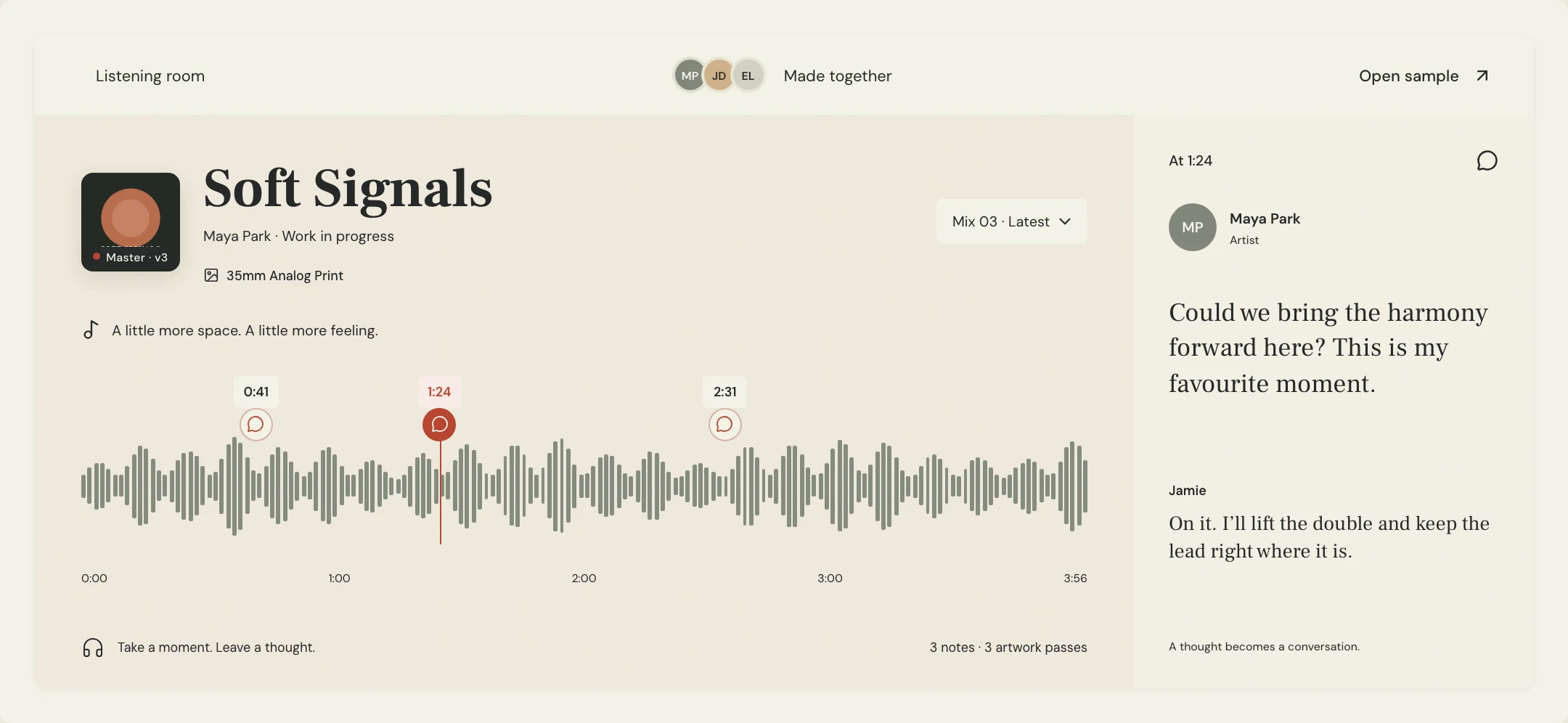
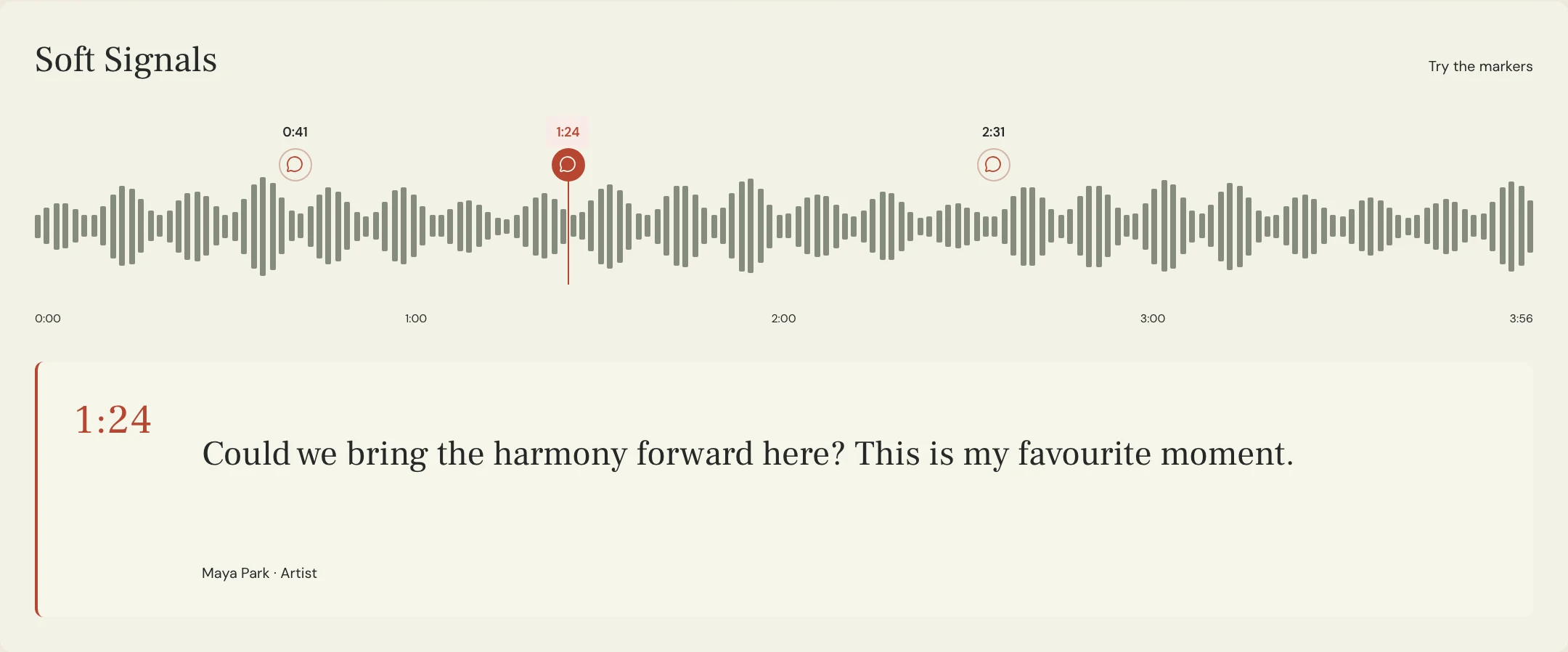
Upload the mock-up as a named MixPass listening pass and leave a note at the entrance or phrase you want to adjust. Once you agree on the writing, confirm the version the performers will use and the files the producer expects back. Check the recorded parts against the approved mock-up in context. Document the performers and their roles with the recording credits sheet.
A few more things
Common questions
Do I need a written score to brief an arranger?
A rough mix and a clear section map can be enough to begin. Include a chart, MIDI sketch or marked audio if you have it and agree on what the arranger will prepare.
Should the strings play through every chorus?
Choose where each entrance earns its place. A shorter first chorus part can make the final chorus feel larger.
How do I ask for more movement without crowding the lyric?
Point to a gap after the phrase and ask for the motion there. Check where the line ends against the next vocal entrance.
What should I check before booking players?
Approve the writing in context and confirm the parts, players, recording reference, file start and delivery format.
Further reading
Technical background from the original sources referenced in this guide.
Your next pass
Give the song a shared home.
Keep the versions, lyrics, feedback, and people together in MixPass.
Building an upcoming single or EP? Apply for the Founding Testers Program for 3 months of Pro free in exchange for feedback (50 early seats).