
The short answer
To brief a clean edit, identify the approved source mix, list each passage that needs changing, and agree how the editor should handle it. Specify whether timing, structure, and vocal effects must stay the same. Review the exported result from start to finish, then confirm its filename and delivery requirements with the intended recipient.
Keep these in mind
- Use a named source version so everyone reviews the same audio.
- A content edit and a shorter arrangement are separate decisions that can be requested together.
- Check the finished export and its delivery information before treating the alternate as ready.
What does the clean edit need to change?
Start with the intended use and the person who will accept the file. Ask which words, phrases, spoken passages, or other content need attention. Do not expect the word “clean” to communicate every requirement. A recipient may have a specific brief, while the artist may also have creative preferences about how a replacement should sound. Put both into the request before editing begins.
Keep content changes separate from arrangement changes. If someone also wants a shorter introduction or a different ending, list that as an additional edit. Do not assume that a request labeled “radio edit” defines a universal running time or a particular content standard. Agree on the actual audio changes and confirm the receiving outlet’s current requirements directly.
| Decision | Question to settle | What to write in the brief |
|---|---|---|
| Content | Which exact occurrences need attention? | A list of passages against the named source mix |
| Treatment | Should each passage be replaced, muted, or edited another way? | The agreed action and any creative alternatives |
| Structure | Should the arrangement or duration change? | Keep the full arrangement, or name the requested cuts |
| Acceptance | Who checks the result for its intended use? | A responsible reviewer and the receiving party’s requirements |
How do you locate every passage that needs an edit?
Listen through the approved source and make a separate entry for each occurrence. Include the vocal part, nearby words or section name, and a timestamp on that specific mix. Repeated choruses may use the same recording but still need individual checks in the delivered song. Treat an ad-lib, a double, or a sampled voice as its own item when it carries the material being changed.
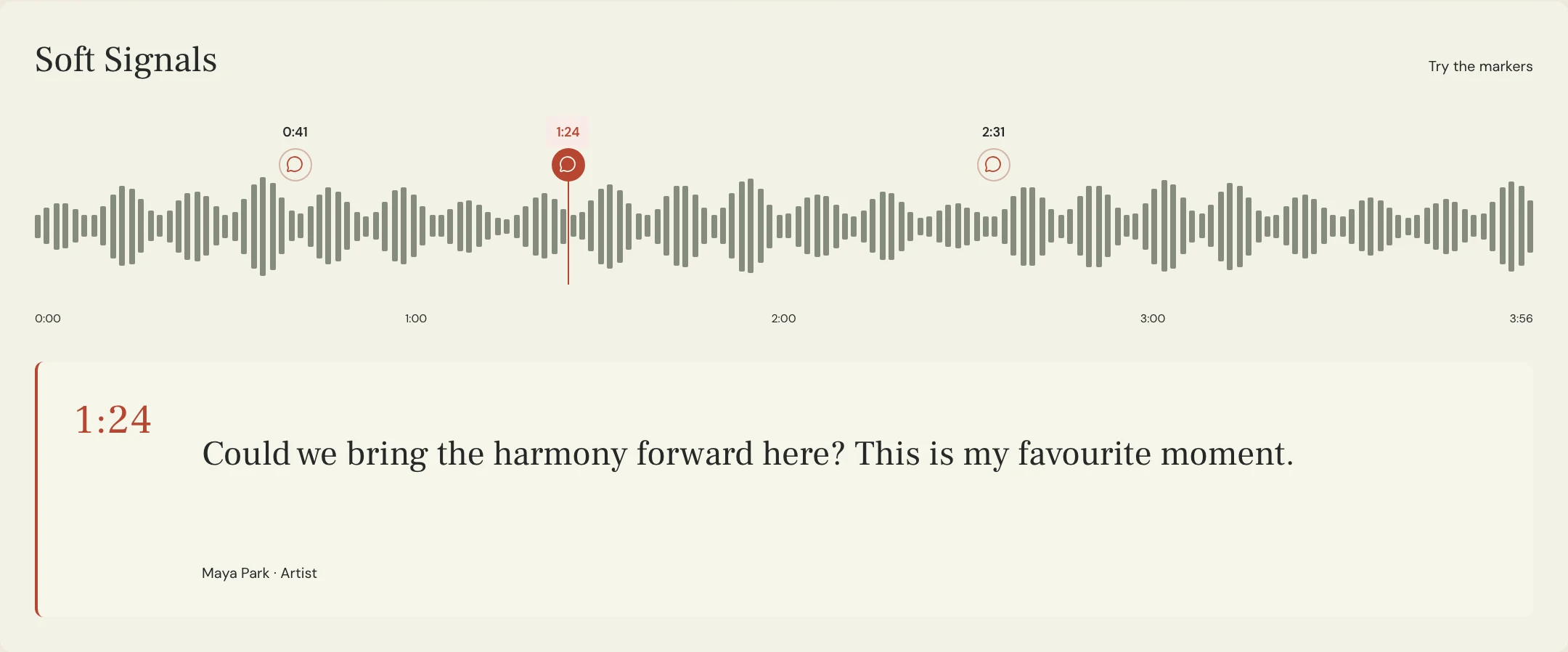
In MixPass, timestamped feedback can locate a concern on a listening pass. Name that pass in the consolidated brief and describe the requested outcome in words. If the arrangement changes during editing, the original timestamps may no longer point to the same places. Keep the source list for reference and identify the new version when sending the next review round.
What should you agree on before the engineer makes the edits?
Choose the treatment for each passage with the artist and engineer. Possibilities include a new lyric performance, an available alternate, a mute, or a deliberate sound effect. They produce different musical results. If the chosen treatment needs another recording, confirm who will supply it and which backing version they should use. Preserve the source session and the original approved mix while exploring alternatives.
Ask the engineer to check transitions, rhythm, and any surrounding syllables after making a change. Ableton’s Arrangement View manual describes clip fades and crossfades, including fades intended to reduce clicks at clip edges. That is an example of editing support in a DAW, not a guarantee that a particular cut sounds natural. Listen to the passage in context and agree whether the result still serves the performance.
What clean-edit brief template can you send?
Constructed example: the fictional Soft Signals team wants a particular chorus ad-lib removed while keeping the full arrangement and the lead performance. The brief calls attention to the ad-lib’s effects and to its later repetition so the editor can check both. The timestamps below describe an original review exercise; they do not refer to customer audio or the product preview’s actual recording.
Be precise about what should remain unchanged. If the approved main mix has already been mastered, ask the responsible engineer how the alternate will be prepared and checked rather than assuming the same processing can be recreated from a listening file. Keep any optional creative experiment separate from the required change list so review can distinguish completion from preference.
SONG: Soft Signals
SOURCE: Approved main mix 07
REQUESTED VERSION: Clean content edit, full arrangement
KEEP: Lead performance, instrumental balance, intro, ending, and overall timing
ITEM 1: 1:24, first chorus ad-lib; remove the marked phrase while retaining the lead line.
CHECK WITH ITEM 1: Ad-lib double and its audible effects return.
ITEM 2: 2:36, repeated chorus ad-lib; apply the agreed treatment and recheck in context.
REPLACEMENT RECORDING: None requested for this round
STRUCTURAL CHANGES: None
RETURN: Clearly labeled listening export plus agreed final delivery files
REVIEW: Full listen, then check each listed occurrence and transition
DECISION OWNER: Maya
DELIVERY CHECK: Confirm the recipient’s content and file requirements separately
Copy or download, then fill in the details for your song.
How do you check the clean version before delivery?
Listen to the actual exported file, not only playback inside the editing session. Review every listed occurrence, then hear the whole song for unintended silences, cut-off words, distracting effects, and missing musical details. Check layers that might still carry the material, including doubles, background vocals, ad-libs, repeats, and vocal effects. When a replacement changes the arrangement, confirm that the supplied instrumental or other requested alternates still match the intended version.
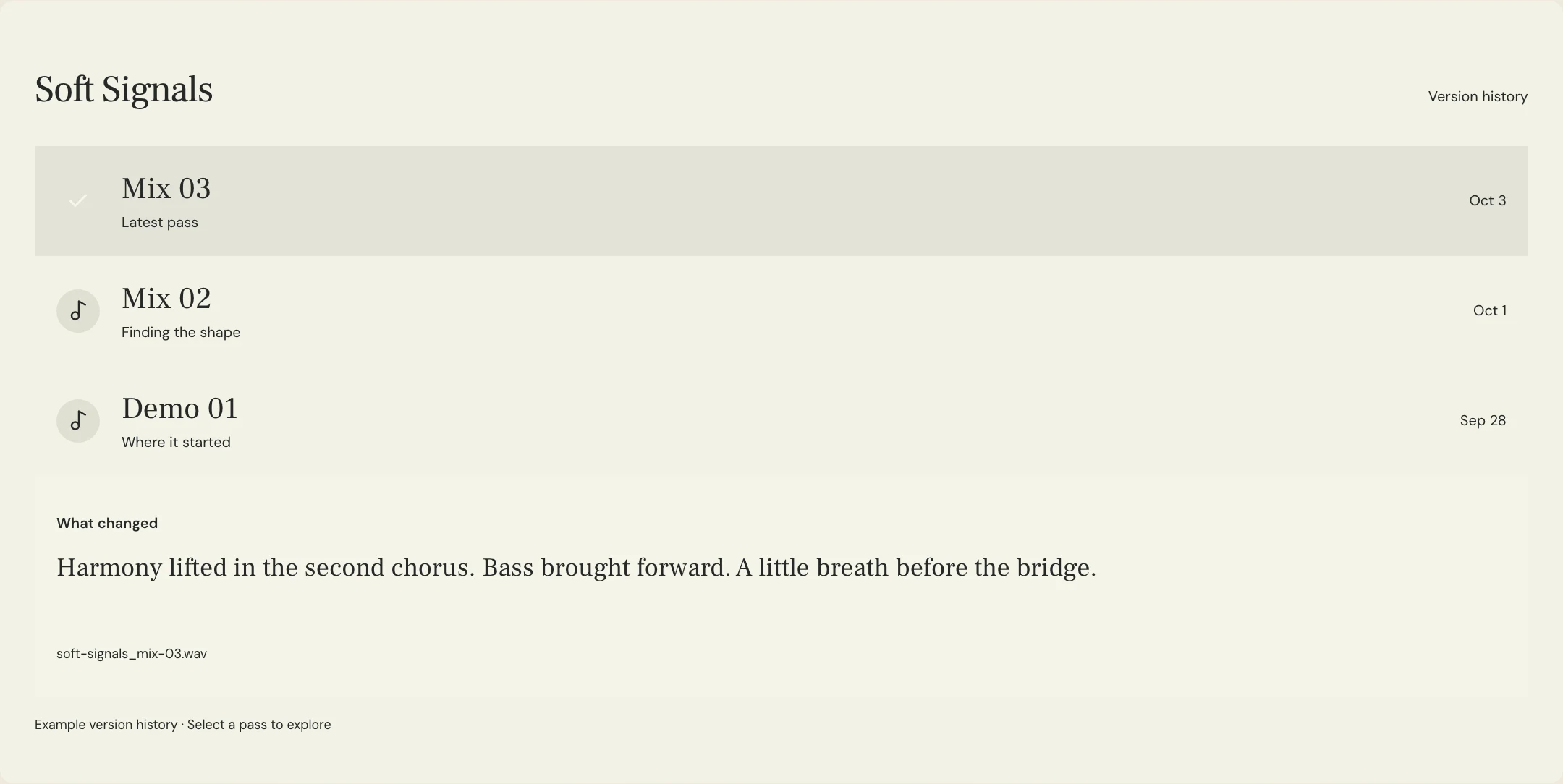
Confirm the selected file in writing and label it clearly in the delivery package. A studio filename is not the same thing as the metadata supplied to a music service. Spotify states that its explicit tags depend on information received from rights-holders. Check the appropriate content marking and version information with the distributor or receiving party, alongside the audio review. Do not infer delivery acceptance merely from the filename or a successful upload.
A few more things
Common questions
Can you request a clean edit from only the released stereo master?
Ask the engineer what that source permits. Changes to a combined stereo file may affect music as well as vocals. A session with the relevant separate parts can offer different options; confirm the available source and the intended result before commissioning the work.
Does a clean vocal automatically make the instrumental suitable too?
Check the requested instrumental’s actual contents. It may retain background vocals, vocal samples, or effects. Name which elements belong in that alternate instead of assuming its label describes every audible part.
Should the clean edit overwrite the approved main mix?
Keep the main version identifiable and preserve its source. Store the alternate as a separate deliverable with a clear version label so the team can select the intended file without relying on memory.
What happens if the recipient asks for another change later?
Record the new request against the exact file they reviewed. Send a new revision with a short change note and repeat the relevant checks, including a full listen of the new export before it replaces an earlier delivery.
Further reading
Technical background from the original sources referenced in this guide.
Your next pass
Give the song a shared home.
Keep the versions, lyrics, feedback, and people together in MixPass.